Faculty, students to represent Southwestern, TBC at academic conferences

Southwestern Baptist Theological Seminary and Texas Baptist College (TBC) faculty and doctoral students will present papers and moderate sessions during annual meetings this week in Denver, Colorado, of three organizations focused on the study, research, and publication of biblical scholarship.
Southwestern will be represented at the Evangelical Theological Society (ETS), the Society of Biblical Literature (SBL), and the Institute of Biblical Research (IBR).
“It is both exciting and greatly encouraging to see the number of Southwestern faculty, graduate students, and administrators who will be making presentations, moderating sessions, and making contributions to these important meetings,” President David S. Dockery said. “These opportunities, whether with ETS, IBR, or SBL, offer a window into the quality scholarship taking place at Southwestern as our colleagues engage the great ideas of history as well as the pressing issues of our day.”
“Defending the Faith” is the theme of the 78th annual ETS meeting, scheduled Nov. 17-19.
Brian Berry
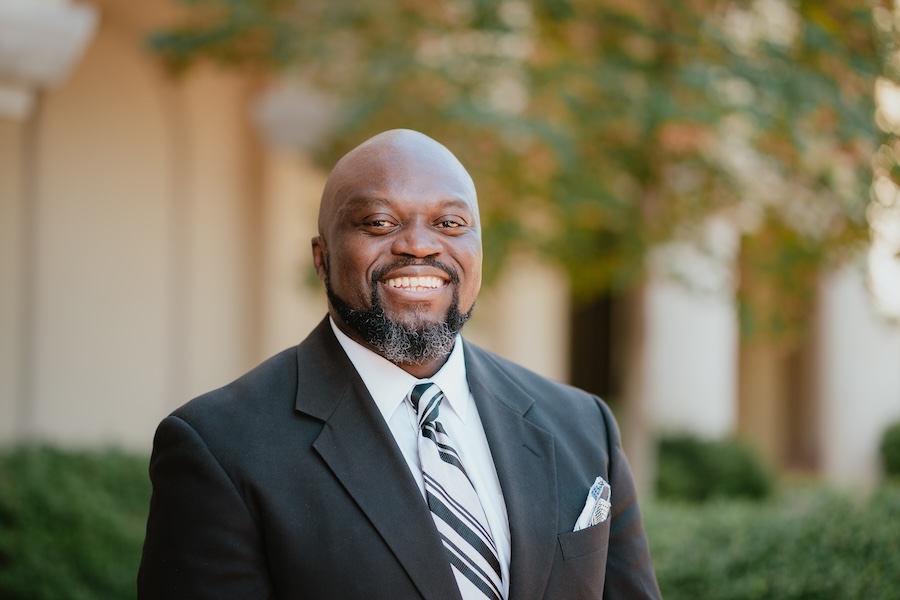
Brian Berry, instructor of biblical studies for TBC and faculty member in Southwestern’s School of Theology, will present “John 6’s Crisis of Discipleship”. In the paper, he argues that the implied author of the Fourth Gospel narrates a crisis of discipleship in John 6 that defamiliarizes his implied audience’s assumptions about the disciples of Jesus and prepares his audience for a reconstructed portrait of discipleship in general.
“This essay is part of my recently completed dissertation where I examine the Gospel of John’s portrait of discipleship through its portrayal of the disciples and through the discourses of Jesus,” Berry said.
Robert Caldwell II
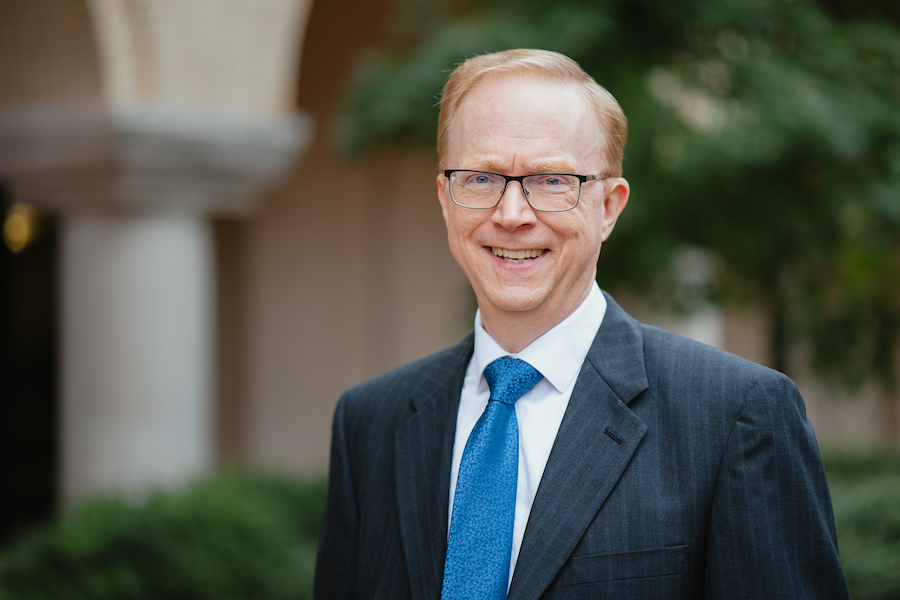
Robert Caldwell II, professor of church history, will present “’Globes of Liquid Fire’: Jonathan Edward, Modern Cosmology, and the Day of Judgment.” He states that the scientific revolution of the late 17th and 18th centuries gave theologians fresh ideas for articulating the end of the world and the topography of hell, adding that Edwards’s reflections on the final judgment of the earth showcase traditional eschatological themes cast with the framework of a modern, 18th-century cosmology.
“The study further demonstrates how thoroughly Edwards was intellectually situated in the 18th century in his attempt to repackage reformed theology for a contemporary audience,” Caldwell said, adding he is working on a book that will include a section on Edwards’s understanding of the day of judgment.
Caldwell also will moderate a session titled “Leaving Evangelicalism, Leaving for Evangelicalism,” which relates to the overall conference theme. “In our section group we explore what happens when ‘defending the faith’ is not quite successful, looking at historical case studies of why and how individuals move away from Evangelicalism, or move toward it from another Christian tradition,” he said.
Daniel Darling
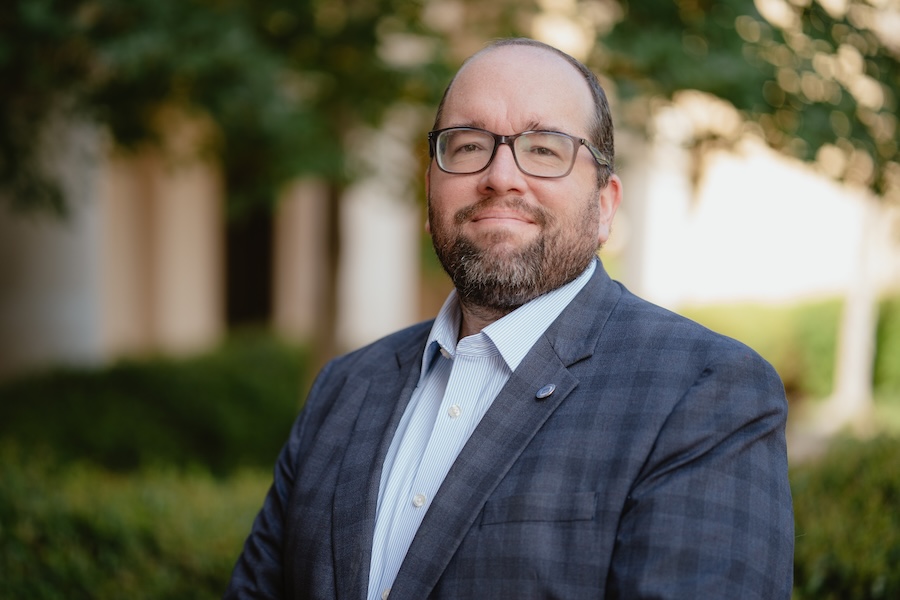
Daniel Darling, assistant professor of faith and culture at TBC and director of the Land Center for Cultural Engagement, will present “Unshaken: Chuck Colson’s Cultural Apologetic.” In his paper, Darling argues that Colson strongly believed in the church’s cultural witness over and against the false ideologies of the age. “Colson believed those turned off by other worldviews might come to see Christianity as the only lens through which to see the world,” Darling said.
Colson “had a profound and deep impact on my life and worldview, and I consider him a hero,” Darling said. He also believes Colson helped shape Christian worldview in the latter part of the 20th century and into the current century.
“In this paper I wanted to highlight how he presented Christianity as the only rational answer to the ideologies present in the world and the only hope for those looking for meaning,” Darling said. “I think his work is still relevant to the challenges we face today.”
Andrew Jennings
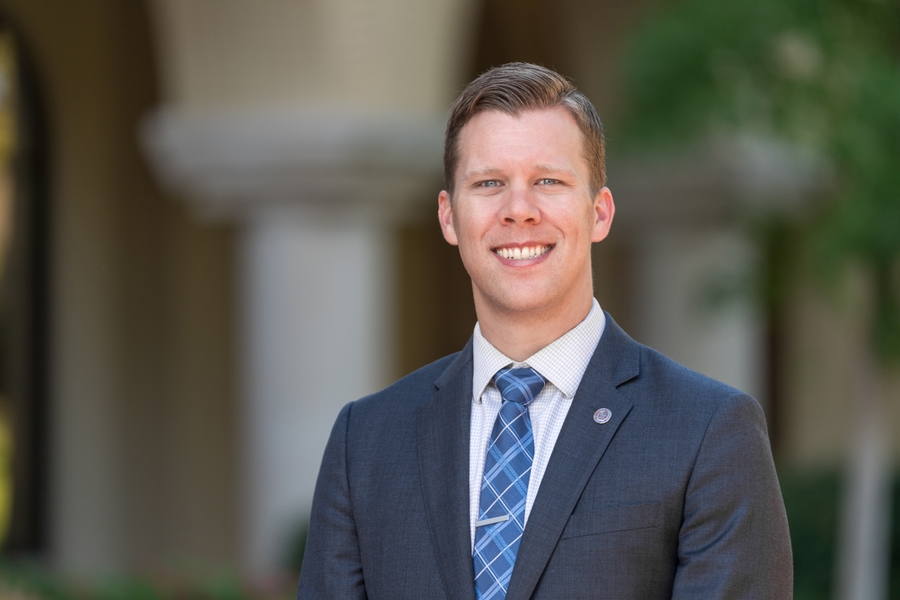
In his paper, “Omniscience, Progress, and Revelation: A Response to J. L. Schellenberg,” Andrew Jennings, assistant professor of philosophy of religion at Southwestern and TBC, presents a counterargument to Schellenberg’s 2024 book, What God Would Have Known. In that book, Schellenberg offers 20 arguments against the truthfulness of Christian doctrine. His arguments conclude some Christian doctrine false because of some fact humans now know to be true.
If Schellenberg is correct about biblical claims from the ancient past, Jennings notes, his own arguments “should be assumed by readers to be erroneous because human progress will likely show each of his evidences—which fall within human understanding at the current moment—to be either incomplete or false.”
Lilly Park
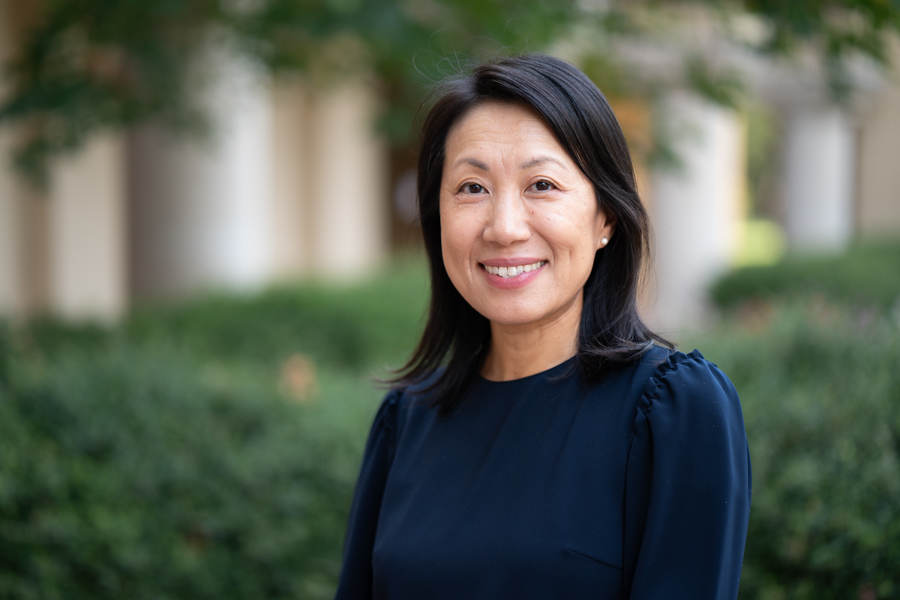
Lilly Park, associate professor of biblical counseling and Hultgren Chair of Ministerial Counseling, will present “Examining Trauma Hermeneutics for Church Care.” The paper interacts with select works in trauma research for a better understanding of ways that the church could care for people who have experienced trauma.
“Trauma research has challenged the relevance of spiritual formation and theological anthropology in helping people as the culture shifts toward an emphasis on the body,” Park said. “God created human beings with a body and soul, so both are important aspects of providing good care.”
Mark Taylor
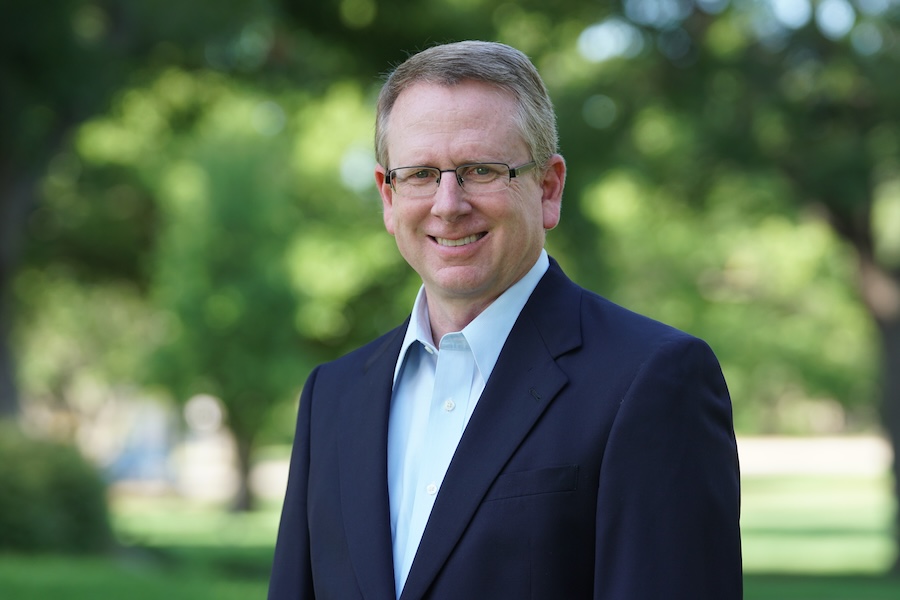
In presenting “Christian Identity, Righteous Conduct, and Suffering in Defense of the Faith: 1 Peter 3:15 in Context,” Mark Taylor, professor of New Testament and associate dean of the School of Theology, explores what 1 Peter 3:15 means in the context of the whole letter: the role of Christian identity, suffering, and conduct in defending the faith. The paper also explores the content of the believer’s hope according to 1 Peter.
“I teach exegesis of 1, 2 Peter, and Jude on rotation at SWBTS and it seemed appropriate to develop a conference theme paper around this well-known verse,” Taylor said.
Joshua Waggener
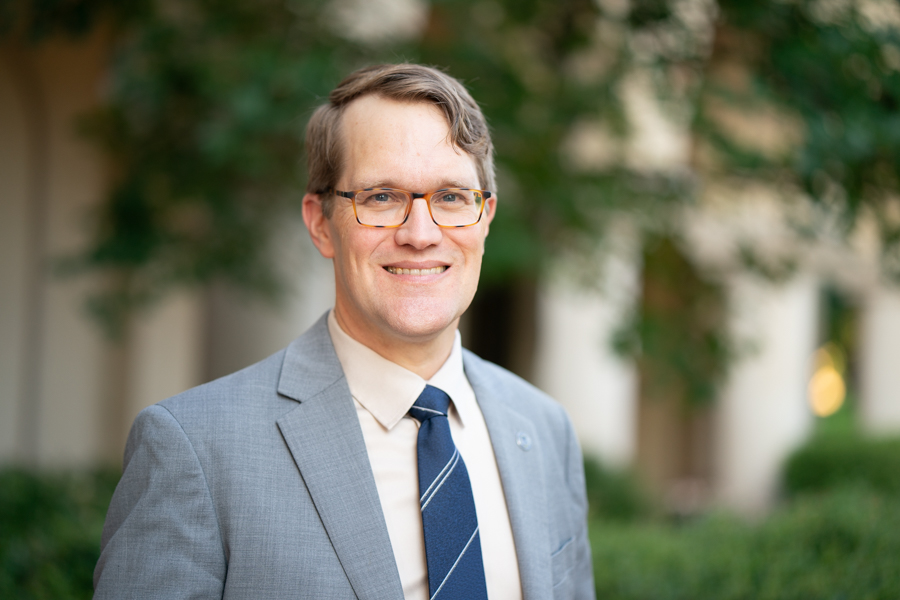
Joshua Waggener, professor of church music and worship, coordinator of worship studies, and coordinator of doctoral programs in church music and worship, will present “Practicing Communion, Experiencing Formation: The Lord’s Supper as Recollection, Restoration, and Recommitment.”
In his paper, Waggener argues in practicing the Lord’s Supper, Christians today may experience rich times of remembrance and communion with Christ, which serve as a recommitment to and proclamation of their personal faith. In doing so, spiritual formation occurs through active recollection of the Gospel, repentant restoration of unity, and the continuing confirmation of one’s faith in Christ.
“This paper developed from my study of Paul’s instructions for the Lord’s Supper in 1 Corinthians and several years of reflection on the importance of practicing the Lord’s Supper regularly in Baptist churches,” he said.
Joshua Williams
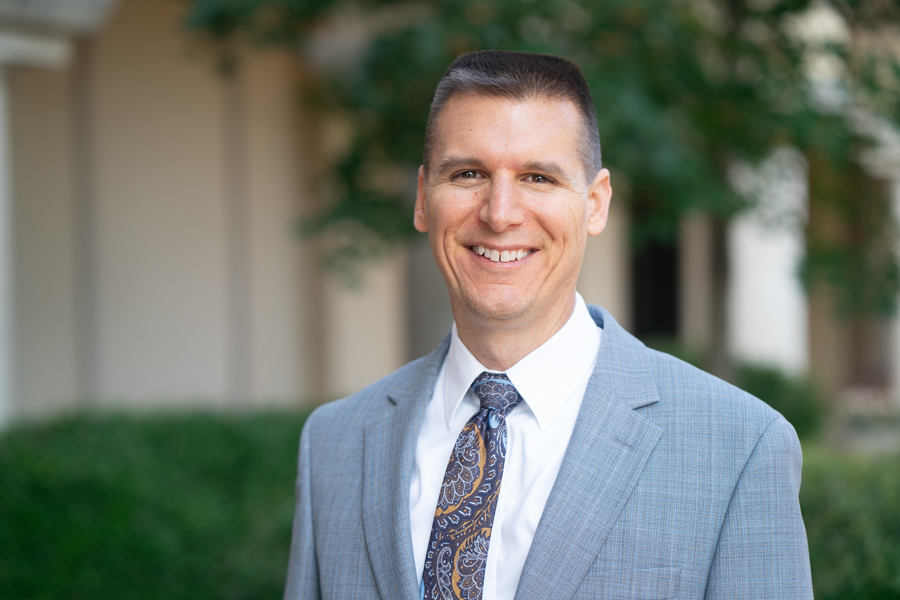
In his paper, “What’s the Difference?: Interpreting Variations between Chronicles and Kings,” Joshua Williams, professor of Old Testament and director of Research Doctoral Studies, notes that more than half the material of Chronicles has a parallel Old Testament account, much of it from Kings. He argues that properly interpreting the differences between Chronicles and Kings must consider three elements by which interpreters can evaluate the motivations, or lack thereof, behind the similarities and differences among the various accounts and assign the proper significance to the differences.
“How the Bible communicates and how we should read the Bible relate to how the Bible has come to us,” Williams said. “Chronicles provides an excellent place to examine these questions because it has so much parallel material from Samuel and Kings. My goal is not to over-interpret insignificant matters nor under-interpret what matters most in these texts.”
Session moderator
“Leaving Evangelicalism, Leaving for Evangelicalism,” Robert Caldwell II, moderator
Student presentations
Jared Causey, “A Baptist Middle Way: E. Y. Mullins Between Holiness, Perfectionism, and Keswick Spirituality”
Hugo Encorrada, “Singing God’s Defense: The Apologetic Power of Lament in Evangelical Worship”
Zawng Hkawng, “Institutional Mediation and Land Theology in the Narrative of Chronicles”
Nelly Juarez Villegas, “Music Ministry according to David: A View from the Book of Chronicles”
Seonghyun Park, “From Revelation to Covenant Meal: Embodied Response in Exodus 24 and Nehemiah 8”
Cole Peck, “The Role of Atonement in Chronicles: An Examination of the Hezekiah Narrative”
Leandro Tinoco, “Natural Law and Missions: Insights from C.S. Lewis’s ‘The Abolition of Man”
The 2026 annual meeting of the Society of Biblical Literature takes place Nov. 21-24.
Madison Grace
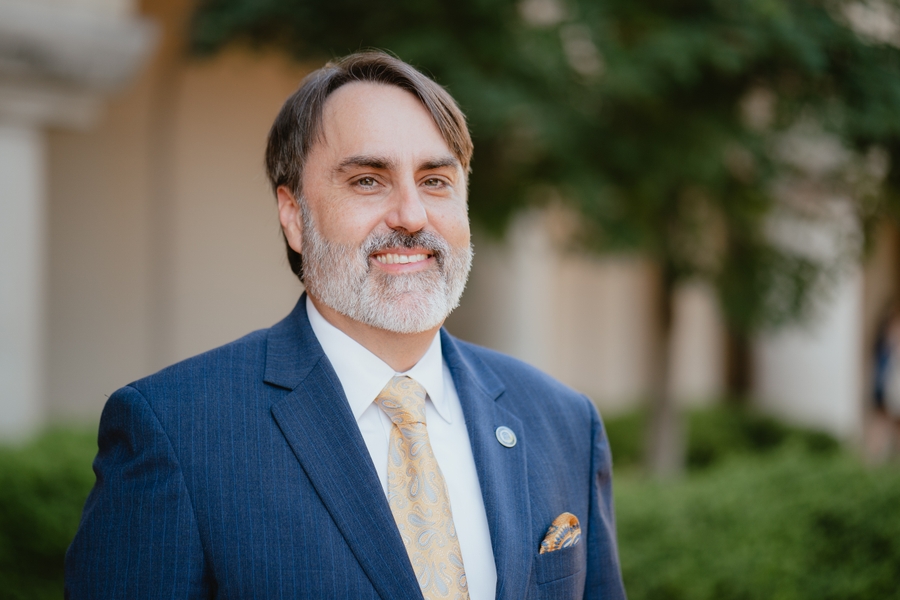
Madison Grace, provost and dean of the School of Theology, will present “Bonhoeffer’s Theology of Place” at both SBL and the Institute for Biblical Research (IBL) annual meetings, which are held concurrently. He was invited to present a paper by the Kirby Lang Centre for its Scripture and the University Seminar, a four-year study of Scripture and place in the 21st century university.
“My paper will look at the theology of place as it relates to Dietrich Bonhoeffer’s theology, paying special attention to his Christo-ecclesiology or his concept of place in relationship to Christ and the church,” Grace said.
He also will serve as a panelist for “Leading Through the Shift: Logos & Learn Breakfast” on Nov. 20. The event, hosted by Logos for Education, includes a panel discussion in which Grace and others will speak on what the latest church research means for the classroom.
Cristian Rata
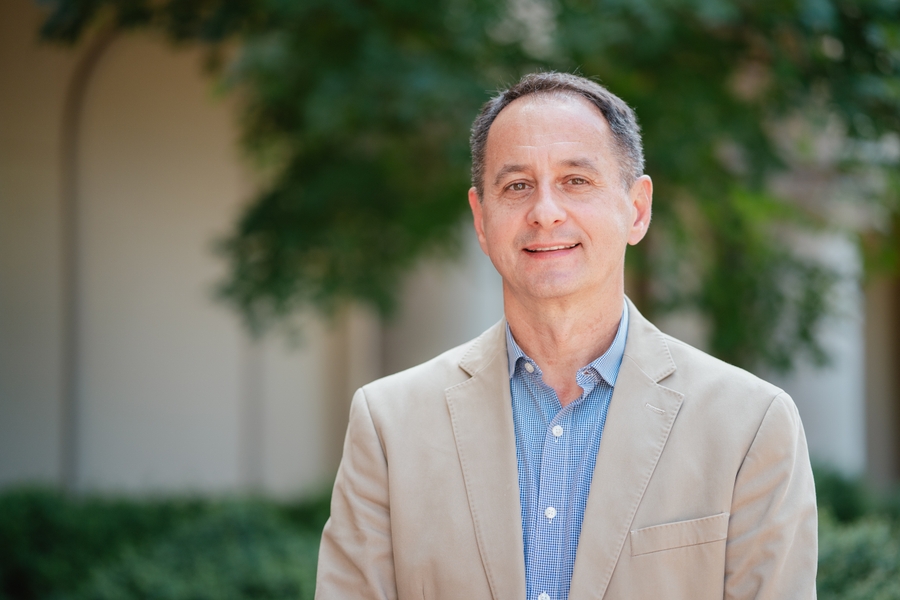
In his paper, “The Psalter as a ‘School for Honesty’” Cristian Rata, professor of Old Testament, maintains the Psalter should be viewed as a “school for honesty” because “in it we find honest believers who teach its users (people who sing, read, and meditate on the book) to be honest with God, with themselves, and with others.”
Rata, who notes he is working on a book about the Psalms, said the paper will focus on “the ‘brutal’ honesty of the psalmists who are relentless in their quest to be clearly heard and, when necessary, even corrected (e.g. Ps 139:23-24). Because the Lord is near all who “cry out to him sincerely” (NET; Ps 145:18), the starting point will be honesty with God. It assumes that honesty with God will help believers to be honest with themselves and with others.”
Student presentations
Federico Fretes, “Married Angels: The Book of the Watchers as Legitimation of Ezra’s Prohibition of Intermarriage,” and “Till Pollution Do Us Part: Purity as Cognitive Schema in New Testament Marriage Regulation”
Samuel Kim, “’I Will always Remind You of These Things’: The Mnemonic Function in 2 Peter,” and “’I Have Not Come to Call the Righteous, but Sinners to Repentance’: An Integrative Narrative Characterization Approach to the Meal Scenes in Luke”
James Wicker, professor of New Testament, was selected to moderate a New Testament session at ETS and present a paper, “Teaching the Bible in an AI World,” at SBL but was unable to attend either event.